How to Know Whether Your Client or Employee Appreciation Event Really Worked
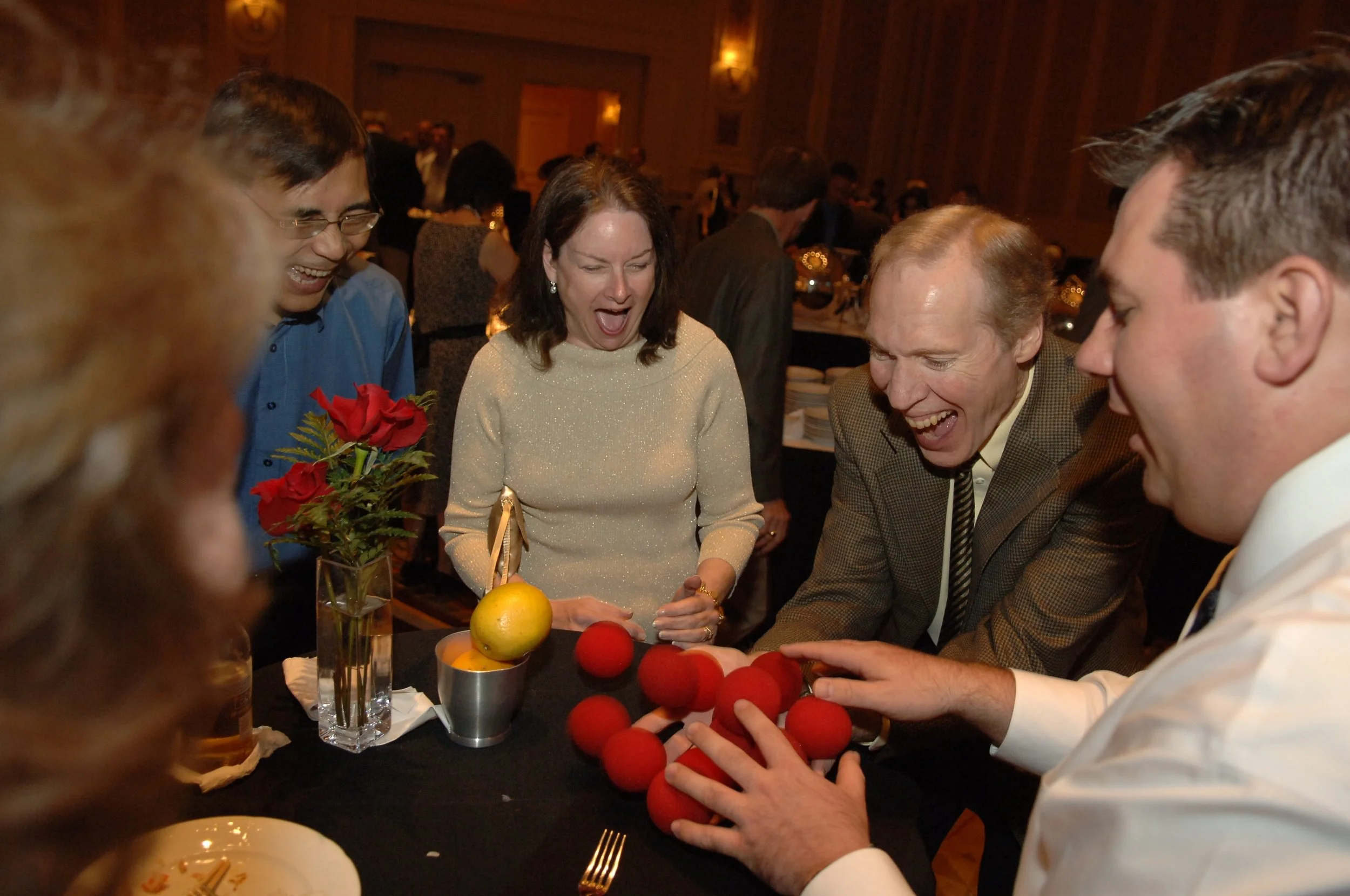
Executive meeting entertaining top customers and leadership for a Fortune500 at Venetian in Las Vegas.
How do you know whether an employee or client appreciation event really worked?
Here is one of the best signs:
Your guests go out of their way to thank the person who invited them.
At client and employee appreciation events, I close each group by saying something like:
“If you enjoyed yourselves tonight, don’t forget to thank your friends at Emerson for bringing me in.”
It is a simple line, but it creates a second conversation: the guest finds the host and tells them what stood out.
That conversation is where the value of the experience becomes visible.
At Emerson, one client described what happened after an event this way:
“Instead of talking about the food or the venue, they talked about the magic for 10 minutes straight. The next day in the booth, it was the same thing.”
— Maureen Netzley, Marketing
That is when the host knows the event landed.
At a holiday party or employee appreciation event, that same thank-you conversation does a different job.
It lets employees say, in their own words, that they noticed the effort. They do not leave feeling the evening was something they were owed—or that leadership was simply going through the motions.
That matters. Feeling genuinely recognized can deepen employees’ connection to the company.
At client appreciation events, that same thank-you conversation creates an additional opportunity.
A few years ago, at a DuPont event in Houston, guests lined up to meet and thank a new vice president. They were not just making polite small talk. They had a story to tell: something memorable they experienced, someone they met, or a detail about the evening that stood out.
That is an opportunity most companies miss.
Do not just shake hands, say “nice to meet you,” and move on. Be present with the person. Learn who they are. Then follow up afterward:
“Bob, thank you for coming to our Houston event. I enjoyed meeting you.”
When the event was good, Bob usually does not reply with, “Happy to do it.”
He tells you what he enjoyed. He brings the experience back to life—the magic, the food, the venue, the people he met, the conversation he had.
And now you have something far more valuable than a generic sales opening.
You have a real connection.
From there, the conversation can naturally move to what they are working on, what matters to them, and whether there is a way you can help. The event did not replace the sales process. It made the next conversation warmer, easier, and more natural—whether that conversation leads to a better client relationship, a useful introduction, or a way for you to help.
That is why every event needs an experience worth retelling—and a simple way to turn a good feeling into a real conversation.
A great appreciation event is not merely a nice evening. It gives people a reason to feel valued, a story worth retelling, and a natural reason to continue the relationship afterward.
If you are planning an employee appreciation event, customer event, sales meeting, hospitality event, or holiday party, I would be glad to help you create the kind of experience that gives guests something to talk about—and gives them a natural reason to talk to you.
Read: How to Get More Conversations, Referrals, and Revenue From Your Events.
Want More From Your Events?
Exponential Events is a practical 27-page guide to creating more conversations, introductions, referrals, and revenue from trade shows, conferences, hospitality events, and customer-facing events—without making your salespeople feel pushy or sleazy.
About Mike Duseberg
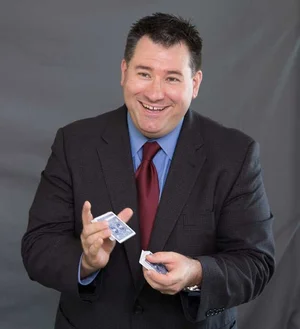
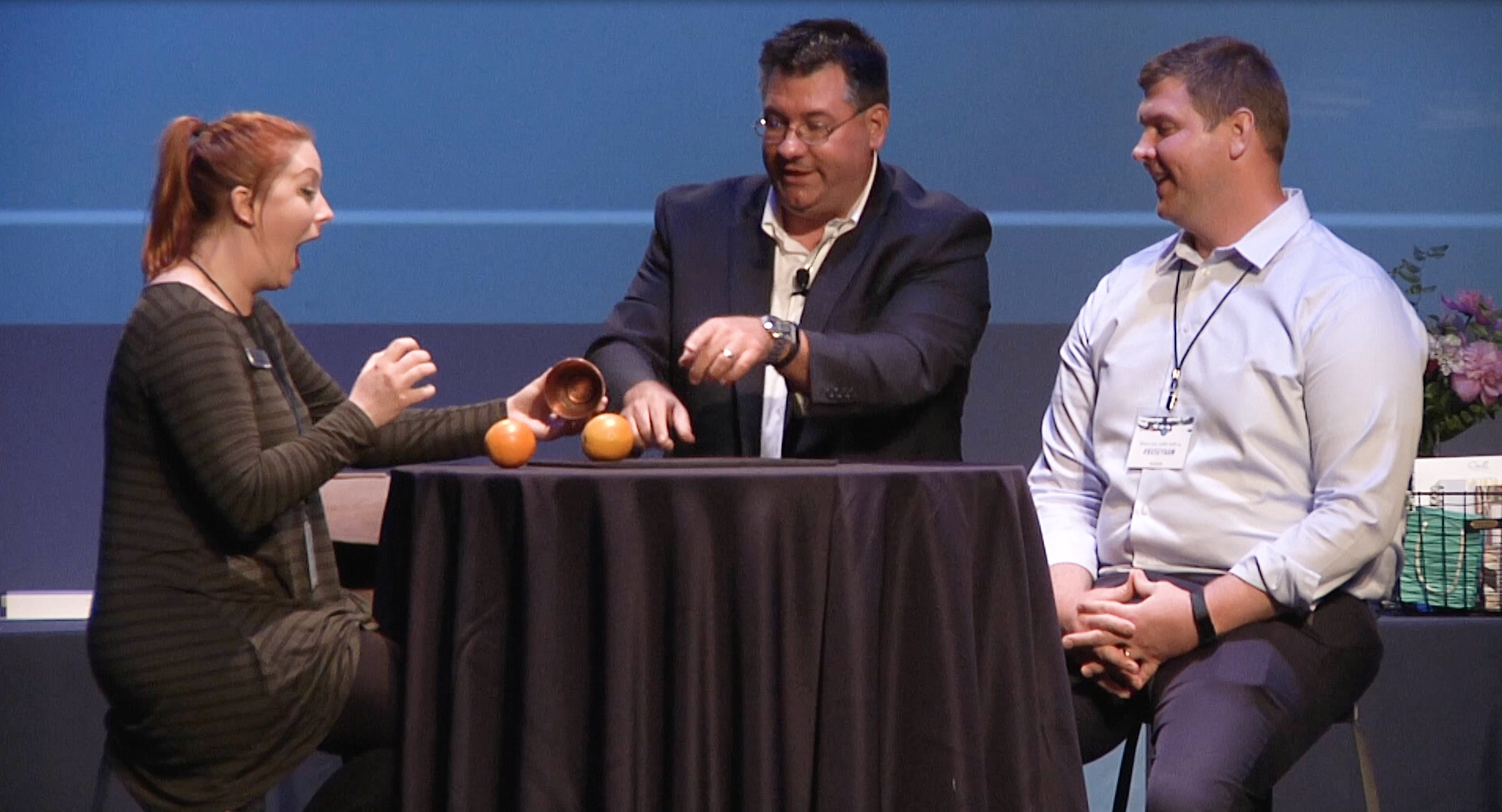
Mike Duseberg is the founder of Magic Means Business and a corporate magician, mentalist, and event-engagement strategist. He helps companies use live events to create stronger face-to-face connections with employees, clients, and prospects.