How to Create a Hungry Crowd: Using Anticipation Videos to Boost Event Engagement
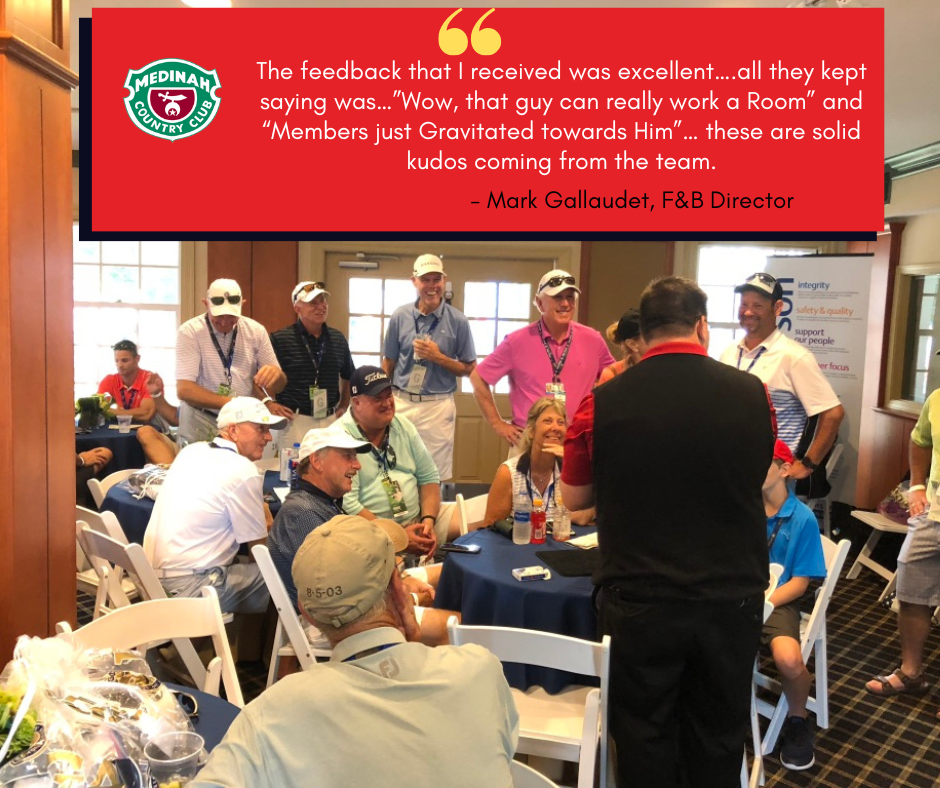
To be fair, this image is actually from a corporate event at Bellerive during the PGA Championship. We didn’t take pictures at Medinah.
Most event hosts hope their guests will show up ready to engage. Gary Halbert, the legendary direct response marketer known as the Prince of Print, had a better idea.
When asked what he wanted most from a business — a great product, marketing system, sales team, or network — Halbert replied: “I want a hungry crowd.”
That insight drives everything we do when helping clients engineer unforgettable corporate events, golf outings, and private club gatherings.
The Problem with Most Events
Too many events send generic invitations and simply hope people will arrive in the right mindset. The result? Scattered energy, low participation, and guests who show up expecting something closer to “Uncle Fred’s pull-my-finger card trick” than a professional, high-impact experience.
We take a different approach. We pre-program the audience so they know exactly what to expect and how to participate.
The Member/Guest Example
A few years ago we worked with Medinah Country Club. Before the event, we sent a short anticipation video along with supporting images and messaging.
The impact was immediate.
The moment I introduced myself, players were already excited. The front porch of the club filled with a gigantic crowd — easily 50+ golfers crowding around to watch the magic. The energy spilled inside as well, with large groups gathered in the front room.
Later, the F&B Director wrote to say:
“Watching your impact on the event they said ‘that guy really knows how to work a room.’”
That kind of response doesn’t happen by accident.
How Anticipation Pre-Programs Success
Anticipation materials do several powerful things at once:
Elevate expectations. Guests immediately understand this is professional, sophisticated entertainment — not amateur card tricks.
Teach crowd behavior. Instead of defaulting to “Mike will work each table individually,” people are primed to gather in big groups, creating shared energy and stronger connections.
Boost participation. I can include simple instructions like “Bring your own deck of cards” or “I’ll do something incredible with your complimentary Maui Jim sunglasses.”
Build excitement for the full event. Highlight the venue, other activities, giveaways (custom playing cards are always popular), and the overall experience.
The best part? After one or two events with this approach, your guests often begin doing the programming for you. You start hearing things like:
“We all gather around Mike after dinner” or “Head to the men’s grill before dinner — Mike does table-to-table there.”
What Goes Into Effective Anticipation Materials
We keep it simple but strategic:
Short, high-energy videos (30–60 seconds)
Strong photos and imagery showing real audience reactions
Clear framing of the experience
Subtle calls to action and participation prompts
Ties to the host, venue, and other event highlights
This works beautifully for corporate sales kickoffs, trade show hospitality, golf club events, and executive retreats.
Ready to Create a Hungry Crowd at Your Event?
Every audience is different, so the exact approach varies. But the principle remains: a little strategic anticipation goes a long way toward delivering the energetic, connected experience your clients or members will remember (and talk about).
If you’re planning an upcoming event and want to explore what this could look like for your group, I’d love to talk. Drop me a note or reply to our newsletter and we’ll set up a quick call to review examples tailored to your audience.
What’s one event you’re planning where stronger anticipation could make a big difference?