
Getting Results
Five Things to See At the 2019 Masters Tournament
Watch Mike Duseberg perform the famous “Masters Money Clip” effect around the table at home in Palm Beach, Florida.
This year will be my tenth consecutive year entertaining corporate guests at The Masters in Augusta, Georgia.
You never forget the first time you visit the Augusta National Golf Club. For me, it was April 4, 2009 at 3:30 in the afternoon. My client drove to the club, took me in the back gate (when there was a back gate) and gave me a personal tour. We had Member’s Guest badges, so we actually went right into the clubhouse and did our souvenir shopping in the Member’s Pro Shop.
You could spend days just taking in the scenery. As much as I love to play golf, I know that simply walking the eighteen hole course and par 3 course would be a beautiful way to spend the day. Even on a clear day, there’s a slight haze of history that surrounds the Hogan Bridge, the Sarazen Bridge, and other historic markers throughout the property. It’s a hallowed ground.
If you’ve never been, here are five things to see on your first visit to The Masters. If you’re a Masters Veteran, here are five things you might look forward to reconnecting with…

1). The Clubhouse - without a doubt, the clubhouse at the Augusta National Golf Club is the most famous building in golf. The huge building, with its wide wrap-around porch and iconic “Crow’s Nest” cupola on top, is the symbol of The Masters. My favorite room is the Trophy Room, where the clubs and winning golf balls from many historic Masters moments are housed - including the club that Gene Sarazen hit the legendary “shot heard round the world” with in 1935. Even if your badge doesn’t allow you access, you can still get your picture taken at the flagpole (if you’re willing to wait in line).
2) The Concession Stands - No visit to The Masters is complete without one of their famous $1 pimento cheese sandwiches, wrapped in green paper (supposedly so any loose wrappers would blend into the grass on TV). Because Mr. Jones said the tournament should be an affordable event to attend, the concession prices are shockingly low for everything - including beer.
My friends in the golf club industry are more impressed by speed that people move through the concession areas. No one ever feels like they’re stuck in line, and even the longest lines quickly stream through the concession buildings. One club manager told me he spent about twenty minutes just watching the efficient operations.
You’ll notice that everywhere at Augusta National Golf Club - someone did some hard thinking about how things ought to look and feel, developed a detailed plan for doing it, and is now executing that plan perfectly. There are no “ad hoc” solutions. There is only careful planning.

The Sarazen Bridge beside the pond at #15.
3) The Sixteenth - One of the fun traditions of Masters practice is watching players skip balls through the water and onto the green at 16. The fans get into the excitement and expect each player to hit at least one trick shot. They applaud successful attempts, politely razz the unsuccessful, and “encourage” less enthusiastic players to remember the skipping tradition.
If you choose your viewing area carefully, you can see the approach shots and putting at 15 as well as the action on 16.
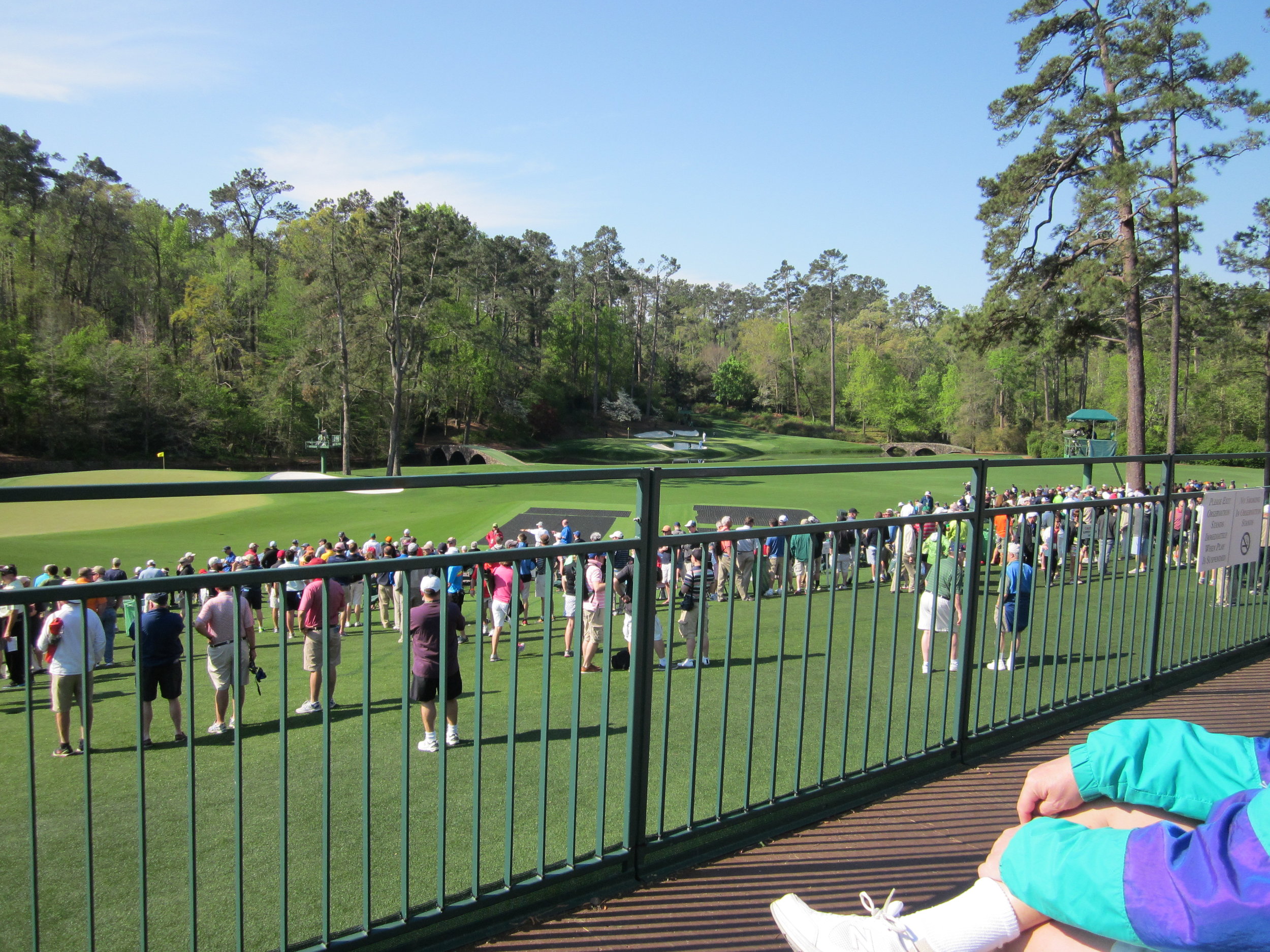
View from the stands at Amen Corner.
4). Amen Corner - If there are three legendary holes at Augusta National, they are 11, 12, and 13. Golf history has been made by the difficult approach shot to the 11th green, which has water on two sides and a large mound guarding the right side. The swirling winds have stopped dozens of tee shots (and many second shots) to the shallow green at 12, where a long shot gets lost in the azaleas and a short shot is lost forever in Rae’s Creek. The teeing ground at 13 continues to be moved further and further back, making players drive the ball further and further to get a good second shot to the famous triple bunkered green.
Amen Corner is one of the perfect places to watch practice or tournament play, too. Patrons can see the approach shots and putts to the 11th green, all the action on the 12th hole, and the drive from the 13th tee.
5) The Fifth - Probably the most anticipated change at The Masters for 2019 will be the new tee box at number 5. The hole has been lengthened significantly, moving the tee box back even further. The club purchased all the property on both sides of Berkman’s Road several years ago, and the new tee is now on other side of where the road used to be. This is not the first time the club has expanded the course outside of the original property lines - they purchased land from the Augusta Country Club to move the 13th tee back and make that hole longer as well.
The fifth hole will be more difficult. Current technology and well-trained professional players could easily carry the large bunkers on the left with their tee shots. Moving the tee back brings these bunkers into play again. No player wants to be stranded there, either - the tall, steep face makes it impossible for a bunkered player to see the green, which many players describe as one of the most difficult on the course.
That’s my list of five things to watch for at The Masters in 2019 - at least until the tournament starts. With it’s fast greens, difficult approach shots, and a ton of history and legacy lumped on each player’s shoulders, The Masters is one of the most exciting and unpredictable tournaments of the year. That’s why many players agree that the real tournament doesn’t start “until the back nine on Sunday…”
For more:
Forbes offers “Three Masters Sleeper Picks to Take a Chance On”
Golf Magazine profiles Fred Couples: Age-defying Fred Couples breaks down his five favorite spots at Augusta National
Golf Magazine tells it like it is (?): Here’s what the pros think are the best (and worst) holes at Augusta.

Six Moves You Must Make To Keep People at Your Hospitality Event
A huge goal is making sure that people are so engaged and entertained at your event that they would never think of leaving.
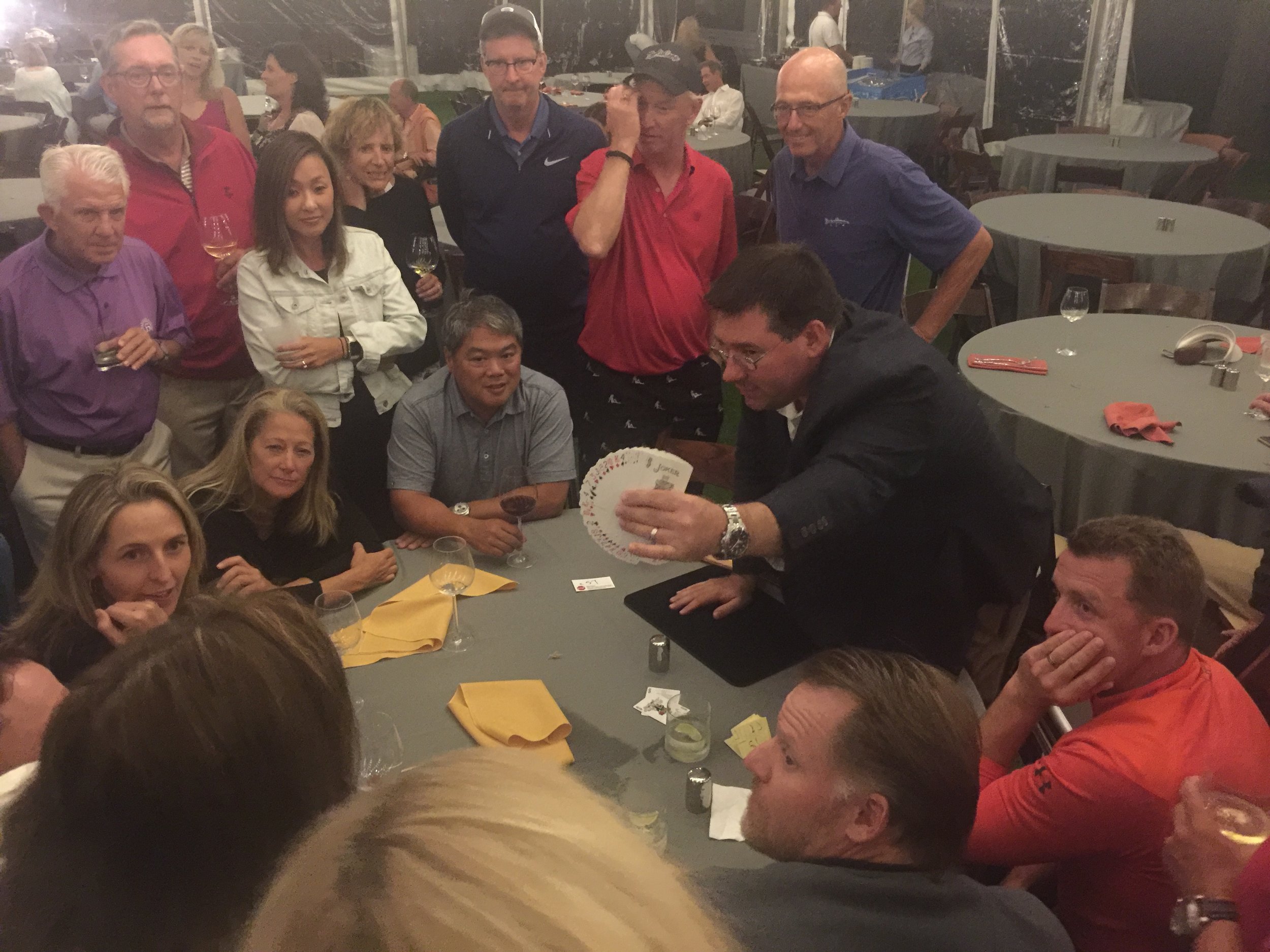
Your ultimate goal at a hospitality event is to engage and entertain your top clients, gift them with a positive and memorable experience with your company, and connect them to your sales representative on a social and non-business level. Unlike the trade show, which is more product and capability focused, the hospitality suite is designed to make the client “know, like, and trust” the people at your company.
While most planners focus on getting people to their hospitality event, don’t forget that dozens of other companies are hosting events at the same time. Sometimes these events are even held on the same hotel floor as your event. Consequently, your clients often plan to “bounce” from party to party. If your event isn’t holding their attention, they will go somewhere else.
A huge goal, then, is making sure that people are so engaged and entertained at your event that they would never think of leaving.
Here are six moves you can make to ensure guests stay at your event:
The Off Site - Moving your event off site and busing your guests to the event is a powerful strategy because guests cannot simply walk out of your event. They’re captive to your transportation system. As long as you keep your guests engaged and entertained with things to see, do, eat, and drink at your event, they’ll have a wonderful time.
However, if guests get bored and realize they cannot leave, they’ll feel stranded and imprisoned at your venue. That damages the brand reputation you hoped to create, and it limits your ability to draw people to future off-site events.
Food and Drink - Convention cities are expensive, and eating three meals a day at restaurants and cafes during a conference adds up fast. Conference attendees are naturally attracted to events that provide free food, and everyone is attracted to events that host free drinks. This is hardly a point of differentiation, however, as all attendees know that every hospitality will have a bar and at least appetizers.
Provide something that a large number of people will like, deliver it in a unique and engaging way, if you can, and never close the bar or the buffet unless you want the event to end.
Comfortable Environment - As event planners seek out unique venues for their events, creating a comfortable environment for your guests to enjoy is sometimes forgotten. Be aware that some outdoor venues get extremely hot as the sun sets, and tropical venues can be oppressively humid outdoors. Be sure to create table space where people can rest drinks and plates, and make sure there are plenty of places to sit (people stay longer when they’re comfortably seated).
While concert performances are very popular, if your goal is to connect sales reps with your clients or facilitate networking, make sure the music volume allows people to comfortably talk with one another.
Connection - There’s nothing more boring than being alone at a party, and business conferences can be a lonely experience. Make sure your entertainment helps bring people together to connect at laugh at your event, so everyone feels welcome and comfortable. Obviously, your sales reps should be mingling throughout the event, talking and welcoming your guests and making sure everyone is having a good time.
When guests feel like they’ve connected with a group of interesting people they’d like to spend the night visiting with, they’ll stay longer, remember your event, and value your future invitations more.
Repeatable Entertainment - Most event planners forget to leverage the entertainment at their event. Creating an “always something more” feel at your event keeps your guests engaged and entertained longer. Having multiple rooms with different games, entertainers, and musicians is one strategy. Scheduling several stage performances during the evening does a similar thing: a comedian might do three 15 minute sets over a three hour event.
A good strolling magician builds crowd after crowd at hospitality events, so people see him perform multiple times throughout the night. He closes each set by saying “Have you seen the [bottle, orange, book, cup, etc] trick yet?” When they say “no,” he promises to return with it later. Mike Duseberg and Armando Vera, who pioneered this strategy at the Boca Raton Resort and Club, often perform at the same event, telling guests, “you’ve got to see the other guy!” There’s “always something more” to see, so the guests remain engaged and entertained later.
Avoid Premature Endings - Believe it or not, executives and event planners sometimes unintentionally “end” an event and invite their clients to leave. Drawings, welcome speeches, product demonstrations, and feature performances often conclude with applause. These leave guests thinking, “What's next?” Always make sure guests understand the bar is open and more things will happen as the night progresses, so they don’t assume they’ve seen everything and it’s time to leave.
Welcome speeches can be particularly dangerous: I once saw an executive, who wanted to help make sure everyone understood the transportation plan, inadvertently tell everyone at the event to “get on the bus” - so the entire group left two hours early!
You’re going to invest a lot of money in a good hospitality event - venue, decorations, food and beverage, and entertainment are all significant investments. Keep your people engaged, entertained, and connected to the other guests, and you’ll have a great event your guests will be looking forward to repeating next year.
Are you working on a hospitality event during a trade show or conference? If you’re ready to keep your guests engaged and entertained all night long, so they’re talking about your event and your brand throughout the conference, contact Mike Duseberg at the link below.

Five Ways to Make People Talk About Your Event
After all the time, money, and energy you’ve put into planning a corporate hospitality event, the big pay off comes when your guests tell their friends, family, coworkers and clients about the incredible experience they had at your event. Everyone who attended is excited to have been there (everyone who didn’t is just slightly jealous). Your name and brand are the talk of this conference, and your party is the “must do” event at the next one.
So how do you achieve this powerful star status? What are the secret components to making your event an unforgettable experience that your guests are talking about at breakfast the next day and continue talking about for the rest of the year?

Mike Duseberg adds some drama, conflict, and laughs at an annual sales convention in Atlanta, GA.
After all the time, money, and energy you’ve put into planning a corporate hospitality event, the big pay off comes when your guests tell their friends, family, coworkers and clients about the incredible experience they had at your event. Everyone who attended is excited to have been there (everyone who didn’t is just slightly jealous). Your name and brand are the talk of this conference, and your party is the “must do” event at the next one.
So how do you achieve this powerful star status? What are the secret components to making your event an unforgettable experience that your guests are talking about at breakfast the next day and continue talking about for the rest of the year?
The secret is simple: help people create a story they can tell. The most memorable and valuable components of your event will have some sort of dramatic element that people will want to retell.
Here are Five Ways to Set Your Guests Up to Tell A Great Story about Your Event:
1). Pick an incredible venue.
Take your guests on an exciting journey to a place they’ve always wanted to go but couldn’t. One of my clients takes their VIPs to The Masters Tournament in Augusta, GA. If you’re not golf savvy, The Masters is unquestionably the most difficult ticket in sports at one of the most private golf clubs in the world. For their multi-million dollar VIP clients, The Masters is the ultimate bucket list destination.

On a simpler level, one client rented the Hampton Hospitality House in Boston during the EASA conference. The Hampton Hospitality House is the iconic building featured in the opening credits of “Cheers.” The exterior remains the same including the Cheers bar sign. They have recreated the Cheers “bar set” on one of the five floors, and they can even bring in Cheers look-alike actors to enhance the experience. Five years later, the guests are still talking about the incredible night “at Cheers.”
The Hampton Hospitality House is laid out perfectly for a hospitality event. There is room for a poker tournament, pool tables, and a dining area, as well as live music and plenty of space for over 200 people to comfortably speak to each other and move throughout the space. Just remember to keep logistics like this in mind while choosing your venue. As iconic as a place may be, the novelty will be ruined if your guests cannot comfortably have a good time.
2). Do Something Special
People talk about things they have done. Nobody asks “what did you eat last night?” at conferences; instead, they ask “what did you do for dinner last night?” People want to hear a story.
Take your guests on an adventure. A cruise ship with unique sightseeing will give the opportunity to talk about things they saw from the ship; even better, a ghost walk will create stories about the experience they had while visiting the convention city. Event locations like TopGolf, bowling alleys, and arcades allow people to create their own stories - the thrill of victory, the agony of defeat, and the joy of friendly competition.
3). Bring Someone Special
People love to talk about the people and conversations they’ve had the night before. Inviting industry celebrities to your event allows people to feel they are “networking” with power players. Whether there’s real value in that networking is debatable, but people love talking about the time they met their hero, a celebrity, or an industry leader.
If possible, avoid long speeches and book signings. It’s the emotion and story of “meeting the celebrity” that matters. You don’t want your guests’ story to be “I stood in line for 45 minutes and Steven King signed this book for me.” You want people to feel like they had dinner and a beer with their hero.

Invite multiple celebrities and luminaries if possible, and simply ask them to mingle and connect with your guests.
4). Make Something Happen
I’ll never forget what happened when I was entertaining at an annual corporate golf tournament in the Midwest (names and dates withheld to protect client privacy). My client had invited about 35 of their biggest executives and the top executives from their biggest suppliers and client firms, as well as 15 PGA Tour and PGA Champions Tour players, who were all major tournament champions and golf legends in their own right.
To say these guys thought they had “seen it all” would be a tremendous understatement.
The after-dinner speeches revolved around the highly competitive Ryder Cup championship between the European teams and the US team. All the PGA Tour players in the room had played on Ryder Cup teams, and at least two of the men in the room were previous Ryder Cup Captains. What started as a few golfers telling stories after dinner quickly turned into a charged debate about the upcoming Ryder Cup matches, complete with raised voices, behind-the-scenes insight into ego battles, and a lot of emotion.
The executives loved it. They felt like they were in the middle of an incredible, one-of-a-kind moment when these legends of golf compared notes and vented their frustrations. Years later, these VIP businessmen still talk about that remarkable evening and all the conflict and drama they witnessed.
Here’s something even more amazing. The “impromptu drama” wasn’t “impromptu” at all. It was an act. The event planner knew the topic would be controversial and fun for the attendees to watch, and he asked the captains to feel free to express themselves. The captains loved it; in fact, I saw them do the same thing at a different event a few months later.
5). Entertainers: The Quadruple Threat
What if there were someone who could provide all four of these unforgettable components: venue, story, celebrity, and a slightly controversial, unique experience? You could have a reliable experience that guests would talk about for years to come.
That’s what a great corporate entertainer can do at your event. A great performer will integrate the venue into the show, performing magic that fits the environment, singing songs that reflect the venue, and customizing their performances to reflect the uniqueness of the venue.
Entertainers - by their very nature -are someone special to your guests. They have a unique talent, which makes them instant celebrities after a great show. Plus, they are willing to perform in front of an audience, get laughs and applause, and leave the crowd entertained and engaged. People fear public speaking more than death, and people love meeting and talking to performers because they seem to overcome this fear on a daily basis.
Encourage performers to mingle with your guests at the party after the event. They’ll appreciate the opportunity to network and connect with prospective clients, and your guests will love the opportunity to “meet” the entertainer and even “discover them” for their own event later. Guests will invariably talk about the incredible person they met.
Great entertainers create drama and conflict as part of their performances, so every performance can be the basis of a story that your guests will tell for years to come. Magicians are the perfect example: a great piece of magic follows a natural storyline featuring conflict, drama, and a surprising resolution. They are constantly “making something happen.” Surprise and mystery are two of the most unforgettable experiences people can have, so it’s guaranteed to be the topic of conversation the next day.

Close-up magic engages lots of people at your event, and each trick is an opportunity for your guests to create an experience they’ll talk about later. “My card appeared sealed in an envelope in his wallet” and “the oranges appeared from nowhere” and “he knew exactly how much money I had in my wallet.” Each moment is unique to the people who participated in it, and people want to talk and compare notes about their own unique magic experiences.
Conclusion:
Simply put, if you want people to talk, give them something to talk about.
As you plan, imagine how people will remember your event and whether or not each component has the drama, conflict, and resolution required to create a good story.
Will people talk about the champagne at your event? Unless you’re spending a ton of money on a unique and hard to find bottle that everyone at the event appreciates, it’s unlikely. If a beautiful model is suspended upside-down above the bar, filling glasses as people walk by, there’s more of a story there…
Michael Duseberg creates events guests give rave reviews, remember forever, and look forward to repeating. He's entertained for companies including Emerson Electric, Kaman Industrial Technologies, and UBS, as well as some of the most exclusive golf clubs in the world.
How To Help Introverts Engage at Conference Welcome Parties and corporate Networking Events
Once you’ve got people to attend your event, how do you get them to engage each other and connect?

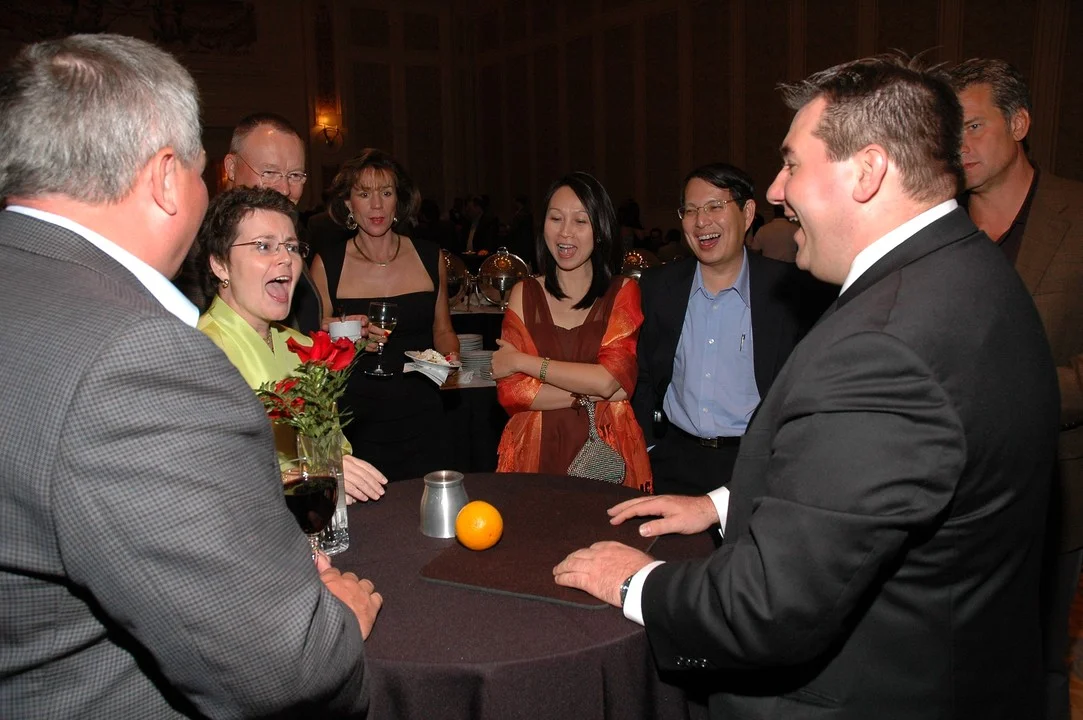
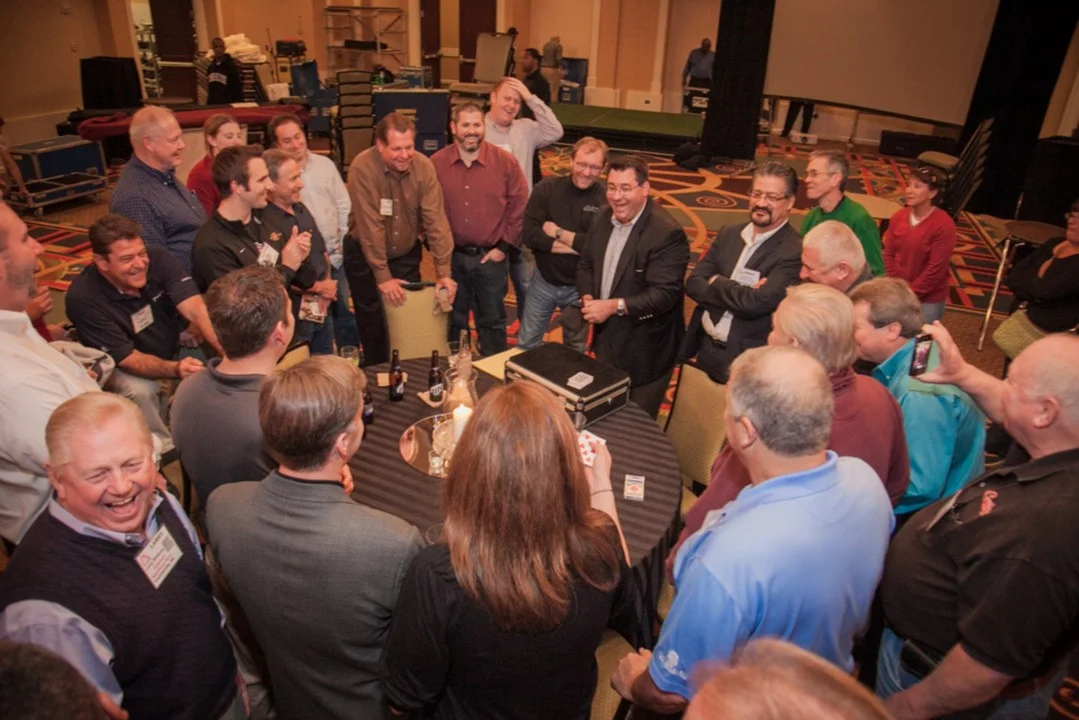
Mike Duseberg engages and entertains crowds at a VIP event in Las Vegas.
Once you’ve got people to attend your event, how do you get them to engage each other and connect?
The socialites and “master networkers” will canvass the room, and other people require a cocktail (or two) to “loosen up.”
However, there’s always a group of people on the edges, who are never quite sure who to talk to or what to say. Some people call them wallflowers, and I’ve read dozens of blogs and social media posts from event planners looking for ways to help these people feel comfortable enough to connect and network.
As a reformed wallflower myself, I can tell you that I always needed a reason to approach a stranger at a social event. I don’t think that makes me weird - most people don’t enjoy making a “cold approach” to a stranger.
Decorations and food can start conversations. Unfortunately, “Wow, this is really crazy lighting… everything is blue in here” and “This lamb shank is delicious…” can easily be responded to with conversation-crushing responses like “yeah” and “uh huh.” Awkward silence follows for everyone.
Entertainment can start conversations, too - photo booths, games, music for dancing, and karaoke are at least intended to bring people together. These are definitely fun forms of entertainment that people remember and enjoy, although they can easily be enjoyed in small groups and cliques. They don’t really bring people together, and they don’t coax wallflowers out of their shells.
To get wallflowers to engage at your party, you need to bring the party to them.
Dean Jackson, online marketing guru, points out that few people really engage that way. If you were a guest in my living room, and I told you there were cookies and milk in the refrigerator, you probably wouldn’t go into the kitchen to get some. On the other hand, if I held a plate of cookies and a glass of milk out to you in the living room, you’d probably take some. It feels more polite, and the barrier to participation is much lower.
That’s exactly what makes “strolling” entertainers so powerful.
As a close-up magician, I learned to start performing “at the edges” of an event, rather than jumping right into the center. The people in the middle of a party are the hardcore networkers, connectors, and power players. They’re entertaining themselves with conversation already.

The people on the edges, however, need something to help them engage. I start by entertaining a few people, and the laughs and applause attract the attention of people nearby. I draw them in as well, forming a nice crowd. I ask people their name and details about themselves- where they’re from, what they do, etc- and introduce them to the group so that everyone hears a little bit about everyone else.
By the time I’m done, they’ve had some fun, made a small crowd of new friends, and they’ve got an exciting, shared experience they can build a conversation on. The ice has broken, the friendships have begun, and I’m on my way to do the same thing in another corner of the room.

Even better, the applause, laughs, and crowds attract the power networkers and socializers. They don’t want to miss what everyone else is clearly enjoying. That mingles the socializers with the wallflowers and connects them over a common experience, which helps the wallflowers feel empowered to engage them. Now there’s a better flow of conversation throughout the room.
Michael Duseberg creates events guests give rave reviews, remember forever, and look forward to repeating. He's entertained for companies including Emerson , Kaman Industrial Technologies, and UBS, as well as some of the most exclusive golf clubs in the world.
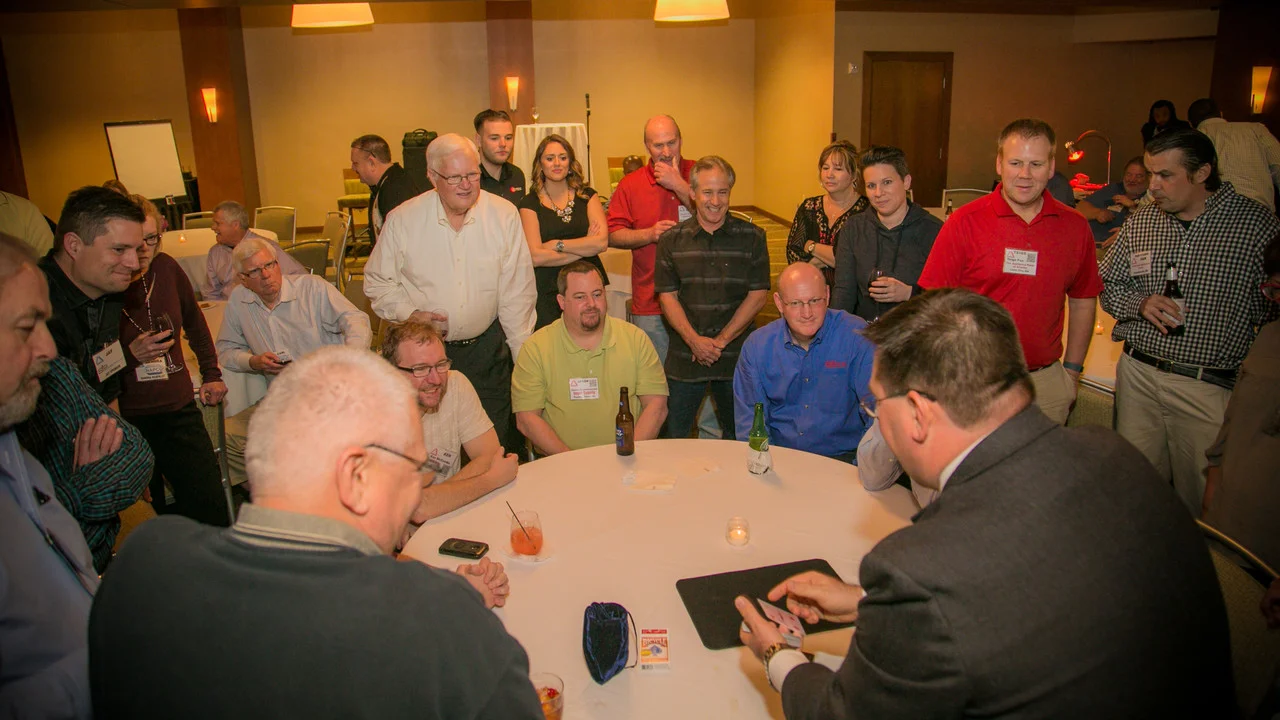
What Will They Remember After Your Hospitality Event?
Every great event planner focuses on two critical questions when they create an experience for their guests: what are they going to see and feel while they’re at the event, and what are they going to remember after the event concludes. Keeping this audience-first perspective helps to keep the entire planning process on track and ensures a successful outcome. As Wendy Roberts famously wrote in the liner notes to Switched On Bach: “Any parameter you can control, you must control.”
The Heath Brothers excellent book “Making Your Ideas Stick” is a fantastic guide to the second question, “what are they going to remember after the event.” Let’s break down their six components to a “sticky” (or memorable) idea:

"We bring you back every year because they ask for you..."
Every great event planner focuses on two critical questions when they create an experience for their guests: what are they going to see and feel while they’re at the event, and what are they going to remember after the event concludes. Keeping this audience-first perspective helps to keep the entire planning process on track and ensures a successful outcome. As Wendy Roberts famously wrote in the liner notes to Switched On Bach: “Any parameter you can control, you must control.”
The Heath Brothers excellent book “Making Your Ideas Stick” is a fantastic guide to the second question, “what are they going to remember after the event.” Let’s break down their six components to a “sticky” (or memorable) idea:
Simple:
Human brains are not wired for complicated ideas; in fact, our minds naturally reject them in favor of very simple ideas all the time. We want things that are easy to understand and direct. My mentors taught me that every great magic trick can be summed up in one simple sentence: two oranges appears under a cup; or, a coin penetrates the wall of a bottle; or I tell you what card you are thinking of.
It works for two reasons. First, the mind easily grasps what happened (even if they don’t understand “how”). Second, your guests can easily tell someone else what happened: “I was holding the bottle, and he knocked the coin right through the glass.” The easier it is for someone to explain their experience to someone else, the more likely they are to remember it.
Unexpected:
In school, were you ever so sure you knew the answer to a question, and then suddenly find out that you were wrong? Did you suddenly find that new information seared on your brain, as if your mind had suddenly thought, “I’ll never get THAT wrong again!”
We have experiences like that all the time. Our minds process so much information through our senses that most of it passes through unprocessed. Like wallpaper, most of the things we encounter aren’t important enough for us to focus on them, so they fade into the background.
Unexpected things do not. Things that go against our natural understanding and assumptions stick out in our minds because they do not fit the rest of our world view. Our minds seem to be regularly processing and reprocessing these ideas in an effort to make them fit - and that makes those ideas memorable.
As a magician, “unexpected” is my forte. My show is full of surprises - both things that suddenly happen without warning, but also things that the audience doesn’t believe can happen are also unexpected and surprising. I can slowly remove just the frame of a small coin purse from my pocket, show both sides, and open it, and then remove a large Sharpie marker. It happens slowly, but it’s so incongruent it’s surprising.
When I first started performing, I did a trick with a cup and small red ball, where the red ball would disappear and appear under a cup. At the end, two large oranges would appear under the cup. One night I asked a guest what he thought of the trick, and he said it was incredible. He had no idea where the oranges came from. I asked what he thought of the red ball part, and he asked, “what red ball?”
The red ball was “expected.” Given that there was a cup, and given that I was a magician, the small red ball appearing and disappearing under the cup was fairly predictable. The oranges, however, appeared from nowhere and were a complete surprise, so they stuck out in his mind (you can see a performance video here).
Concrete:
Just as simple things are easy to retell, concrete ideas are easy to imagine and understand. A Futurist speaker might describe a future where everything is done by machine, and we don’t have to lift a finger at any point in our day. A memorable futurist speaker might describe a robot butler - how it looks, the tasks it performs each day, how people communicate with it, how it charges, etc.
Ideas that are fleshed out and concrete are easier to remember because they have more meaningful details.
Few entertainment options are as concrete as magic. In another classic magic piece, a performer knocks a coin into a bottle. All the senses are engaged in the experience. The audience can touch and examine the coin and the bottle. They can see the items, but they can also hear the magician’s voice and the sound of the coin clinking against the glass. They can smell the beverage that’s been poured out of the bottle. They can relate to all of these items: they know what coins, bottles, and liquids are.
The concrete nature of the objects makes the experience clear in the mind, which makes it much easier to remember.
Credible:
We remember things that come from people of great authority. If a believable expert tells us something is true, we can quickly assimilate that information into our worldview and go forward. It’s easy to remember because it fits with the other things we believe (and as cognitive dissonance teaches us, it supports the other things we believe).
Can entertainment be credible? Can a field that’s apparently known for creating fantasies, using set design, special effects, and make-up develop credibility with the audience?
Absolutely. The memory people take away from a phenomenal piece of magic isn’t related to the magician’s credibility or his own air of authority. The credibility lies in the experience itself.
The audience examines the objects and pronounces them legitimate. Then, they experience the moment of magic themselves.
It happened to them. They have the memory, and when they relive the memory, they are themselves the storyteller.
It’s really difficult to not believe yourself.
(Note: A client actually pointed this out to me in New Orleans for the SSPC Show. Over dinner I mentioned the Heath Brothers book and how magic managed to hit five of the six but not “credibility.” She immediately disagreed and gave me the notes above).
Emotional.
We invest emotion in important things, and those emotions make those things memorable. Think back to an important moment in your life or a cherished memory. Not only will you be able to remember the sensory experience of being there, you can also remember the emotions that surrounded that moment: pride, anger, fear, frustration, success, overcoming obstacles, joy, or loss. The emotions give the moment meaning which adds to the memory.
Emotion is the critical component in entertainment. If a performer is being ignored - whether he’s a comedian bombing on stage or a guitar player strumming away in the corner of a restaurant - he’s being ignored because the audience isn’t emotionally engaged in what he’s doing. The words and music have to connect with the audience, so they feel the emotion, too.
Tommy Wonder, the great Dutch master magician, once said, “But emotion isn’t very interesting unless it’s changing… so conflict is very important.” Great entertainment is full of conflict and emotion. In magic, the conflict between man and the natural laws of physics is an obvious constant - how does the orange appear under the cup? Or how does the coin penetrate the glass without breaking it?
But there’s also the conflict between the audience and the performer - “can you follow me as I quickly move the ball from cup to cup?” There’s the conflict between audience members, “did you see that?” And the paranoid and almost accusatory “are you in on this?”
And of course, there’s all the emotions that come up when we see something impossible happen: laughter and surprise, shock and awe, sometimes even a little bit of fear. How does the magician know what I’m thinking? What else does he know about me?
Along the way, the stories the performer brings to each trick bring forth important emotions as well - “my first trip to The Masters…” and “I remember the first trick I saw… I was eight when my mentor Butch changed my dollar bill to a one hundred dollar bill” and “Just think, now, of a friend or relative…”
Great entertainment is packed with emotions, and that’s what makes it so memorable.
Story.
There’s a natural flow to things we remember. An event should have a story - maybe a literal “meaningful” background piece, but a natural flow of “first we did this, then we did that, and for the big finale we…”.
We remember things that we can retell, too. When things fit together into a natural sequence they’re easier to remember. Great speakers do this: at first I was this kind of person, then I learned this fact/skill/experience, and now I am this kind of person.
Great magic has a beginning, a middle, and an end. There’s the initial situation - the coin and the bottle are separate - followed by the impossible moment - the coin is inside the bottle - and finally the finish - the coin is outside of the bottle. It’s easy to retell.
Unlike any other form of entertainment, magic brings the audience into the story as well. They can apparently affect the flow of the trick and what happens next - “But then Bob wanted to shuffle the cards, but the magician still dealt out the royal flush!” The audience is actually part of the story - their emotions and comments affect the direction the performance takes, and the “improvised” moments that surround the audience’s behavior are all a part of the story the audience will tell long after the show ends.
Conclusion:
Memory is a critical component any event. If we want people to talk about our event or look forward to attending the next occasion, our guests have to remember the event first. It’s critical that everything we bring to the event must have some component that makes it memorable to the audience.
In the next post, we’ll take it a step deeper and show how we can affect what the audience remembers from your event - the entertainment itself, or even a sponsor’s name or business message.
Michael Duseberg creates events guests give rave reviews, remember forever, and look forward to repeating. He's entertained for companies including Emerson Electric, Kaman Industrial Technologies, and UBS, as well as some of the most exclusive golf clubs in the world.
Six Critical Components to an Unforgettable Event
One way or another, every event planner and every event client wants to be remembered. A corporate client wants the company name, company representative, and brand message clearly imprinted on the mind of each guest. A charity benefit organizer wants people to remember her event so donors plan to return the next year and donate again. A socialite wants her event remembered and talked about, so she knows her guests will be sure to attend her next event.
But what makes an event memorable?
In their wonderful book Made to Stick, The Heath Brothers outline six things that make ideas memorable. Including some or all of these components in your event will ensure your event stands out in the minds of your guests forever.

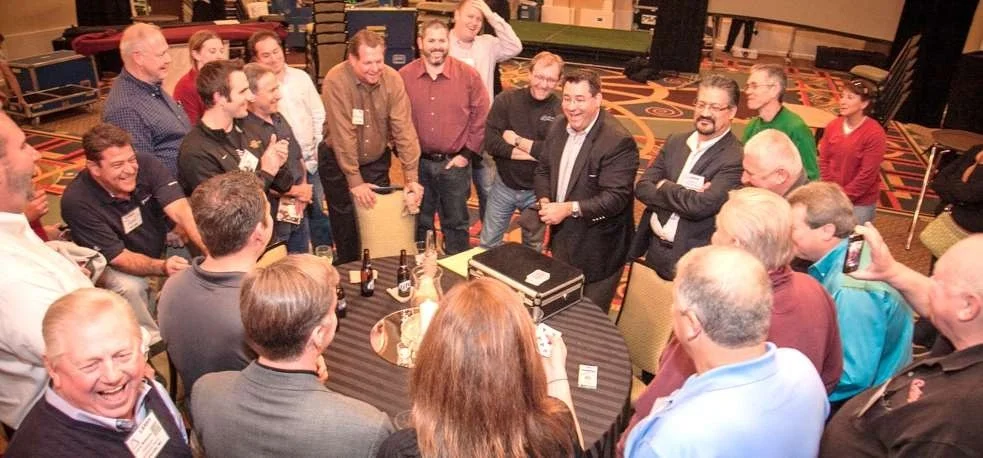
Mike Duseberg creates an unforgettable experience for VIP clients in Atlanta, Georgia. They're still talking about it nine years later!
One way or another, every event planner and every event client wants to be remembered. A corporate client wants the company name, company representative, and brand message clearly imprinted on the mind of each guest. A charity benefit organizer wants people to remember her event so donors plan to return the next year and donate again. A socialite wants her event remembered and talked about, so she knows her guests will be sure to attend her next event.
But what makes an event memorable?
In their wonderful book Made to Stick, The Heath Brothers outline six things that make ideas memorable. Including some or all of these components in your event will ensure your event stands out in the minds of your guests forever.
Component #1: Simplicity
Our minds easily process simple things. Our minds can easily take in a simple idea, categorize it, remember the small number of component parts, and commit them to memory. A great event has a central experience, and the rest of the event should support that memory.
Complicated things, however, are difficult to understand, difficult to retell, and end up a blur in our memories. Ultimately, we try to remember everything, but we end up forgetting almost everything. An event can overcome the audience with too many experiences, so that no one experience really stands out in the mind of the audience.
Michelangelo once described sculpting David this way: I look at the block of stone, and I remove everything that isn’t David.
A great event should have elegant simplicity, which each component supporting the main theme and the experience the planner wants the audience to remember.
Component #2: Unexpected
Our brains are wired to organize information that comes in through our senses. That’s what allows us to make assumptions and hypotheses about what’s going on around us. In fact, science has shown that our brains actually “fill in” or even “erase” visual information based on what “ought” to be in our field of view. This is how optical illusions work, and it’s also why you can apparently look directly at your keys when you’re looking for them but still not actually “see” them.
Because our minds make all these assumptions, we’re hypersensitive to things that don’t fit. When something comes as a surprise, it really sticks out on our minds. Game Shows are a great example: if you’re completely convinced that you know the answer to a trivia question and get it wrong, you can almost feel your brain say “I’ll never get that wrong again!” The correct answer becomes seared on your mind.
Unexpected components will always stick out in the minds of your guests. If a celebrity appears unannounced to speak at your event, the shock will stand out in your guests’ minds. If they are expecting a formal, black tie experience with white table cloths and white gloved waiters, and you present a rustic experience on picnic tables, it will stand out in your guests mind, too.
How you utilize the unexpected is up to you, but it’s a powerful tool make your event unforgettable.
Component #3: Concrete:
It’s easier to remember things that look and feel “real.” Large numbers are a great example: if I told you there were 745.3 million starving people in the world, it’s a impressive number but it doesn’t really stick in your mind. If I told you that someone dies of starvation every 10 seconds - and I count to ten and tell you someone just died - thats a meaningful and memorable statistic.
One of the most powerful elements of a live event is that it is a concrete experience. People physically attended the event, shook hands with the other people who were there, touched the tables, ate the food, and heard the music.
Appealing to the senses makes any experience more concrete. Of course, the simplicity rule affects how memorable the event is. Overloading the senses - explosions of color, loud music, a wide palate of flavors and aromas, and a lot of mental stimulation, for instance, will blend into a muddy, meaningless experience guests will only remember as “a lot.”
Component #4: Credible:
The Heath Brothers emphasize the appeals to authority as important to memory. We remember things that come from an important source, for instance, data from the Centers for Disease Control or the Smithsonian Institute. Experts are credible, and we trust their information, so we remember it.
In the events industry, credibility and celebrity go hand in hand. If you have an important celebrity speaker at the event, your event might be more memorable. If you have an important group of guests attending the event - local celebrities, socialites, donors, or politicians - the event might stand out better in the minds of your guests.
Component #5: Emotional:
There is nothing as memorable as emotions. The more an experience can be infused with emotion, the more memorable the event becomes. Our memories are largely controlled and described by emotions: remember your first job interview, your college graduation, your own wedding, or an awards ceremony where you received an honor. The feelings you felt are probably more memorable than the actual visual and auditory memory of the event.
Emotion is a powerful tool. Decorations and music can help guide your guests emotional experiences - images on the wall, table decorations with photographs, music that addresses your event’s tone.
Entertainment is all about emotion, and as Tommy Wonder, the late Dutch master magician said, “Emotion is most interesting when it’s changing.” Entertainment, decorations, and speeches that feature some conflict and a sense that the event is taking your guests, your organization, or your clients to a new level will help bind emotion to your event and make it memorable.
Component #6: Story:
People love stories primarily because they are full of emotion, drama, and conflict. Speakers tell us of overcoming obstacles, learning new information, applying their knowledge, and attaining success beyond their dreams. Entertainers create challenging situations, face the challenges, experience temporary defeat (perhaps), and triumph. Even a story that ends in failure can be memorable and entertaining if there’s still drama, conflict, and emotion involved.
If your event can have a story, all the better. Bring your guests through a collective experience - at a charity benefit, set a (manageable) goal to be raised for at the event, explain how the funds will be used to benefit the organization, and then use a running total so everyone can see the donors achieving and surpassing the evening’s goal. Your donors will remember and retell how “we did it.”
Any one of the six components of memory will make your event more memorable and important to your guests. Combining the six components together creates a powerful package that will impress your event on your guests minds for a lifetime.
Mike Duseberg creates events your guests will give rave reviews, remember forever, and look forward to repeating year after year. Customizing his performances and integrating their business messages into the show, clients like Emerson, Nidec Motors, and Fluor bring him to entertain at customer hospitality events, meetings, and trade shows.
How to Host a "Free" Hospitality Event
Since hospitality events are such powerful tools for connecting with your clients and engaging new prospects, it’s amazing how few companies host them. Bringing hundreds (or even thousands) of potential prospects to an event, feeding them, offering them drinks, and entertaining them them takes a lot of money, but the potential return on investment is incredible.
One of the biggest trends in trade show marketing provides exhibitors with a tremendous opportunity to get someone else to pay for the most expensive parts of hospitality marketing, while driving huge crowds of potential prospects to your trade show booth.
What if there was even a way to get someone else to take care of most complicated task - advertising the event and getting people to show up?

Since hospitality events are such powerful tools for connecting with your clients and engaging new prospects, it’s amazing how few companies host them. Bringing hundreds (or even thousands) of potential prospects to an event, feeding them, offering them drinks, and entertaining them them takes a lot of money, but the potential return on investment is incredible.
One of the biggest trends in trade show marketing provides exhibitors with a tremendous opportunity to get someone else to pay for the most expensive parts of hospitality marketing, while driving huge crowds of potential prospects to your trade show booth.
What if there was even a way to get someone else to take care of most complicated task - advertising the event and getting people to show up?
Make The Show’s Reception into Your Hospitality Event
Trade shows and conferences are now regularly hosting an event called the “Reception on the Trade Show Floor” or the “Welcome Reception on the Exhibit Hall Floor.” These events are designed to draw attendees to the trade show floor and hold them there, so exhibitors get an extra opportunity to meet and connect with their potential prospects.
Most of these events feature some kind of open bar, food stations, and even some light background music in some cases. The atmosphere is more relaxed. There are sometimes cocktail tables set up in the wider aisles. Attendees tend to wander around the exhibit hall with a cocktail and chat with friends and exhibitors. Because there are free drinks, almost everyone attends these events.
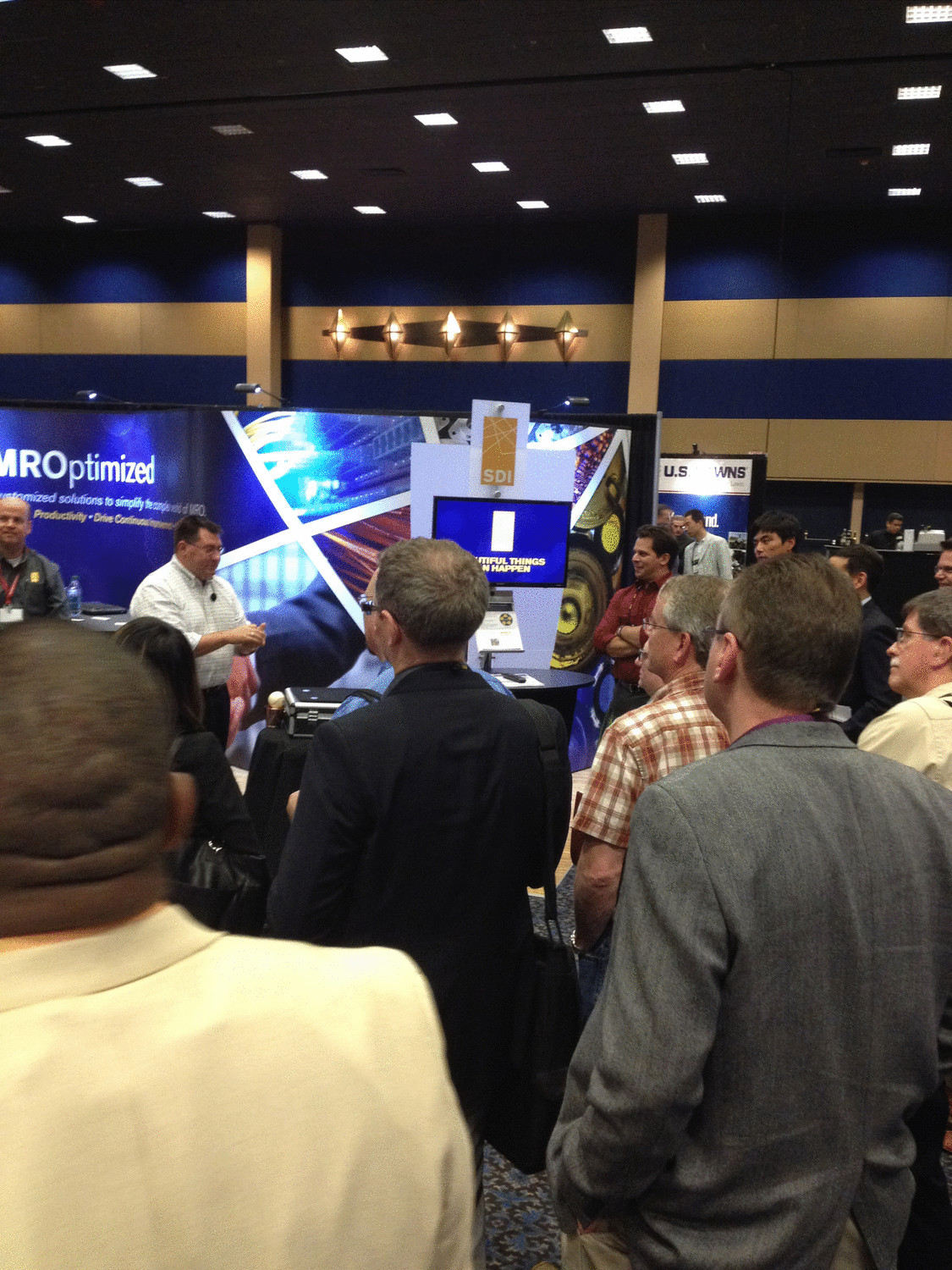
Most exhibitors treat this time just like any other trade show session. They hang out in the booth, and when people come back to talk, they give them an elevator pitch and start selling. They are missing out on a tremendous opportunity to literally “steal the show.”
A Reception on the Exhibit Hall Floor is their opportunity to create a hospitality event in their trade show booth, while someone else pays for the food and beverage, invites the guests, and pays for the venue. The only thing missing is branded entertainment.
It’s the perfect combination. Attendees are relaxed and open to having some fun, and they’re very willing to congregate around the booth and watch the entertainment. They see the activity at the booth, and they want to come over to see what’s happening. Everyone enjoys the entertainment and gets involved in the show at the your booth.
That means more exposure to your brand and your sales representatives. With entertainment that features a short, direct message about the outcomes your clients get by working with your company, your booth will help position your company “top of mind” as your client’s only rational choice.
The typical trade show distractions are much lower - other exhibitors rarely give speeches or live demonstrations at this time, and many exhibitors actually reduce their booth staff (or simply enjoy the reception themselves). Few attendees schedule meetings during the cocktail receptions, and very few will be focused on business during the social time.
What’s the secret to grabbing tons of trade show traffic from the reception on the exhibit hall floor?
Stop Traffic.

You can’t do anything until you control the attention of people in the aisle. A great trade show entertainer knows how to start a crowd, and that “crowds beget crowds.” After he stops a few people, more and more people will surround your booth to watch the show. At the 2012 ISM Show, in fact, every attendee on the trade show floor was surrounding the Kaman Industrial Technologies Booth to watch me entertain. We were the only booth with live entertainment, and everyone wanted to be part of the incredible magic and high energy show.
Advertise. An exhibitor’s pre-show advertising can help support the performer in the booth, too. Announce that you’ll have entertainment on social media, email campaigns, and even in your print campaigns before the show. The people who already know you - or think they do - will ignore your trade show booth if they think you don’t have anything new or interesting to offer them. Offering live entertainment is a great way to make sure they plan to spend some time at your booth, so you can capture their attention (and then offer them your products or services).
Location. Location. Location. At a lot of these events, crowds will form at the bars and food stations. Ideally, your booth should be located near one of these events. Your booth entertainer can simply walk into the crowd, capture the attention of a few people, and draw them over to your booth to start the show. As the show starts and the laughs and applause come from your booth, the crowd will grow.
If your booth is not near the bar, boosting your pre-show advertising and social media will help draw attendees to your booth. Give people a reason to seek out your booth. Advertise your trade show attraction, so people know you’re doing something fun and interesting at your booth during the reception.
What you say and when you say it. This is not a good time for a deep product talk involving complicated math. This is a great time have a lot of laughs, enjoy some really incredible magic and mind-reading, and create an indelible memory of your booth and your company. The show should mention the outcomes your clients get by working with your company, and it should definitely mention your company’s name. Leave the “selling” for regular trade show time. Attendees aren’t as open to a pitch during the hospitality event, so give them just enough that they want to come back and learn more tomorrow.

Engage the audience. Let your booth staff mingle in the crowd to watch the show with the attendees. There will be very little sales content in the show, so everyone will be there to watch the performance and have some fun. Your booth staff will laugh along with the attendees at the show. During breaks in the show, your team can use the magic as an ice breaker to start talking with show attendees and get to know them. The emphasis here is on connection, not selling.
The magic becomes a common point of connection that will break down traditional “salesman” barriers and reposition the relationship. Rather than being “salesman” and “customer,” the entertainment repositions both people as “audience members,” so they can talk freely about their common experience while watching. They can connect by talking about what they saw, other magicians they’ve seen, and any other topic that comes to mind. If they’re comfortable during the social time, clients will be more comfortable approaching you with business related questions.
Plan to re-engage. The next day, when the trade show re-opens for “regular exhibit hall hours,” follow the same strategy you would if you’d hosted your own hospitality event the night before. Attendees will remember having visited your booth and watching the magic, and they’ll remember meeting your booth staff and the friendly conversation they had the night before. The entertainment will still stop traffic. The benefits and outcomes described during the magic performance will create interest in your product offering. Plus, since your customers already met your booth staff at the reception, your ideal prospects will feel more comfortable entering the booth and asking questions of your booth team.
It’s a workable, effective strategy, and the hardest part - handling the food and beverage, arranging the venue, and inviting your guests has already been done for you!
Ready to have the last step - incredible entertainment that makes your booth stand out - done for you as well? Mike Duseberg builds a crowd at your booth, broadcasts a message that finds your ideal clients, and brings in qualified leads. Check out www.TradeShowFunnel.com with further information, a free five minute “mini-webinar” on trade show tactics, and other free information.