Getting Results

Mike Duseberg Mike Duseberg

How to Watch a Virtual Event (Without Staring into Your Phone, Table, or Device!)

Probably the most irritating thing about virtual events is their limited viewing capability. Most people watch them alone because it’s hard to get two or more people gathered around a device.

We figured out a better way…

Probably the most irritating thing about virtual events is their limited viewing capability. Most people watch them alone because it’s hard to get two or more people gathered around a device.

Using your “screen cast” or “screen mirroring” capability on your device, you can broadcast the virtual event to your WiFi connected television, and enjoy the event with your family just like watching TV at night.

We recommend putting your tablet or laptop on an ottoman or coffee table in front of the family during the event, so we can see you while you enjoy the show. When you’re invited to participate in the event, just unmute yourself and you’re ready to go!

This is so successful our clients have actually begun hosting “viewing parties” at their homes - their friends bring the drinks and pizza, and they provide the incredible virtual entertainment!

Here’s a quick video that explains how it works…

If you’re open to a conversation, I’m happy to explain what other companies like yours have done with their virtual events and the results they’ve achieved. Just contact the office through the button below.

Read More
Mike Duseberg Mike Duseberg

Six Things That Prevent Zoom Fatigue

Probably the most common complaint we hear around virtual event is “everyone has Zoom fatigue,” which is quickly followed up by “people have short attention spans.”

Neither of these ideas are true.

“It’s a poor craftsman who blames his tools.”

Probably the most common complaint we hear around virtual event is “everyone has Zoom fatigue,” which is quickly followed up by “people have short attention spans.”

Neither of these ideas are true.

The great Dan Kennedy, who invariably advocated the use of long copy sales letters, said that “people” have short attention spans because they don’t care much about what they’re looking at. On the other hand, people will watch long videos, real long sales letters, and sit through multi-day conferences if they’re interested in what’s happening.

Here’s Proof: If you were not interested in holding the attention of your audience through a Zoom call, you would have stopped reading by now.

Recently a client compared our “Virtually Impossible” show with a one-hour, content-filled event on the impact of the presidential election on financial markets produced by a famous name brokerage. While the financial event had tried valiantly to bore him to death, he survived long enough to explain six things that he believed our event did better. (Note that none of them involve card tricks, mind reading, or oranges).

Six Ideas that Will Dramatically Improve Your Virtual Event

1) An Impressive Invitation - don't just send a colorful email or a simply blue link. Make it personal, and make the invitation something that builds anticipation. Build intrigue. Make people wonder what will happen. Give it a "can't miss" feel.

2) Punctuality - Let people know when you are going to start, and start at that time. Also, end on time. Have a countdown timer on screen before the event starts, and have a large clock visible for the performers/speakers.

3) Process - The event is supposed to achieve a goal. Let the audience know your goal, and make sure everything you do during the event moves the audience toward that goal. Let everyone involved in your event know your process, and make sure they understand where they fit into the event.

4) Preparation - Rehearse, understand the technology, and have enough experience that you can stay calm when things go wrong (they will). We’ve been doing virtual events for seven months now, and we have a developed a comfortable, repeatable routine because we’ve had dozens of things go wrong along the way.

5) Energy and Flow - Lag time, dead spots, and presentations that drag are death to a virtual event. Keep the energy up. When you write, edit ruthlessly. When you present, do not go off script. Embrace Bob Hope’s “15 Second Rule” - every 15 seconds there must be a joke, an interesting fact, a change in emotion, or an activity that advances the event toward the goal.

6) Feedback - Don't just hope for a good response, and never ask for feedback. Engineer your event so the audience wants to give you feedback after the event. Get rave reviews.

Our ideas aren't a fit for everyone, and not everyone wants our help If you're open to a conversation, I can share some details and examples of these principles at work. DM, email, or call.

Read More
Mike Duseberg Mike Duseberg

Entertainment in the Post-COVID19 World - Engage, Amaze, and Entertain - Safely!

In the re-opening, how will you entertain, amaze, and engage your clients without spreading the COVID19 virus?

Entertainment in the Post-COVID19 World

Engage, Amaze, and Entertain - Safely!

Our clients are already asking - “how can we keep our guests engaged in our event and create a memorable experience and still prevent the spread of COVID19?”

I’ve spent a large part of the last three months designing and rebuilding our very successful “Magic With Your Mind” show. I am not a doctor or an immunologist, but using publicly available information from the CDC, NIH, and WHO, I have created a show that blocks all the typical ways COVID19 spreads.

We can all have fun, build rapport with our key clients, and create an incredible experience our guests will be talking about for years to come - without anyone getting sick.

Check out the video-blog below:

Mike Duseberg creates “COVID19-Safe” magic and mind-reading experiences for your next conference, meeting, association event, or club event.

When you’re ready to start planning your next event, contact our office at (561) 596 3877 or email contact@magicmeansbusiness.com

Read More
Mike Duseberg Mike Duseberg

Jeff Bezos Says This Is How We Should Think about The Next Ten Years

Bezos said that everyone asks him what will change in the future, and really dismissed the question as interesting but irrelevant.  
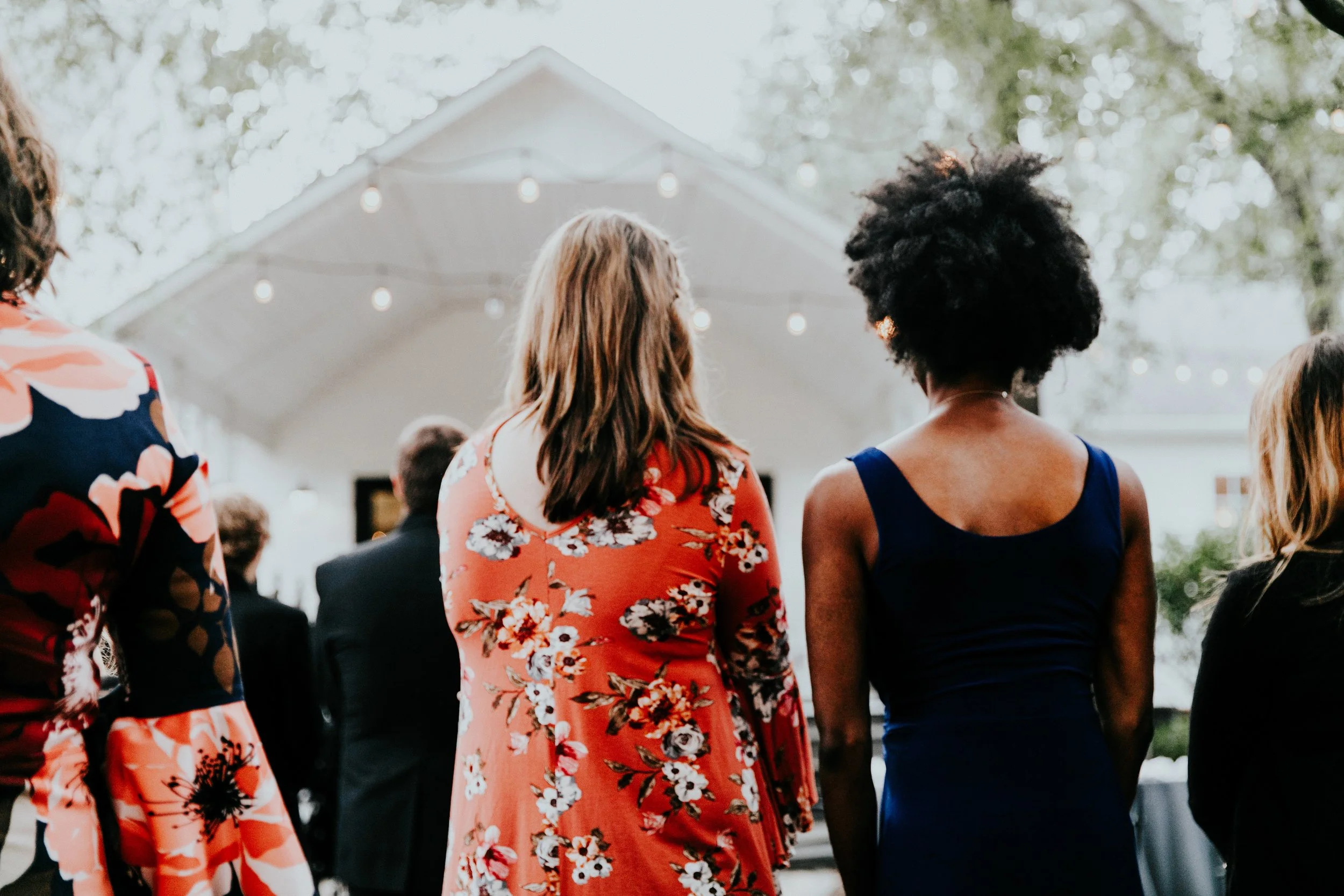
I just read an interesting quote about Jeff Bezos.  He said that everyone asks him what will change in the future, and really dismissed the question as interesting but irrelevant.  

Yeah.  Irrelevant.

He said what is important is what won’t change in the next decade.  Bezos believes that ten years from now, people will still want a wide selection of quality products available at the lowest possible price.  Hard to argue that Amazon isn’t positioned for the future.

So what won’t change in the events industry in the next 20 years?  Here are five ideas that should never be dismissed.

Permanent Truth #1: People Want Experiences More Than Stuff

As always, stuff remains obtainable; in fact, Amazon is exactly why more and more stuff of higher and higher quality is available faster and faster and at a lower and lower price.

Great experiences, however, continue to increase in value.  Leading Hotels of the World’s famous customer service slogan will always be true:  “The last bastion of luxury is personalized service.”  

Experiences that feel engaging, conversational, interactive, and participatory have inherent meaning, create lasting memories, and almost compel people to talk about them. 

Don’t be fooled into thinking this is a “millennial” thing or a recent discovery.  This is a fundamental part of human nature.  

Permanent Truth #2: People Crave a Story They Can Tell

One of the most amusing articles I read in the Wall Street Journal this year was about how souvenir hats and shirts have become status symbols.  It’s true. When I travel, I wear a windbreaker from Augusta National Golf Club and a hat from a club so private I can’t legally write its name in this article.  People who recognize those logos instantly reach out to me and tell me about their experiences as these events.

They feel compelled to talk about their experience.  They want to say things like:

  • I was there when…

  • Here’s what happened to me… 

  • This is how I felt when… 

  • This is what I saw… 

And they want to ask questions like:

  • Did you see…

  • Were you there for…

  • Did get try the…

  • Who did you go with?

The Carnegie Rule is as true as ever: People want to feel important.  Having an experience that they participated in - simply saying “I was there too” - makes people feel incredibly important, and they feel compelled to talk about their experience because that enhances their feeling of importance.

Permanent Truth #3: People Need a Reason to Talk to Each Other

The number of books and YouTube videos about how to network, how to meet people, and how to communicate more effectively grows every year.  These topics have driven the sales and self-help industry for well over a century, and they will continue to sell forever.  

People will always be a little nervous to approach strangers, and they’ll always be more willing to do it when they have a reason to reach out and say hello.  

To reduce the fear of rejection - which is a big part of why people are reticent to approach strangers - we need to create more experiences where rejection isn’t possible.  We need to do fun and engaging things that make people want to come together and do things with other people.

We will always need to create engaging, entertaining, and fun contexts for connecting at events.  If we want to get people off their phones and out of their heads, we need to draw them into a shared experience and provide the opportunity for them to start talking to each other.

People crave experiences that give them something to talk about - during the event, after the event, and in anticipation of next year’s event.  

They can use these experiences to start conversations with their friends, colleagues, and the people the want to meet - new friends, new prospective clients, and new network members.  

Permanent Truth #4: Face to Face is More Persuasive Than Print, Phone, Digital, or Whatever Else…

My colleagues and I are convinced that the future of online is a conversation that starts offline.  Permission marketing will be more important than ever before, and future marketers and salespeople will need to get that permission in an offline environment.

Face to Face has always been more productive - “putting a face with the voice on the phone” has been a common phrase since the at least the1950’s, and we’ve only adjusted it to saying things like “putting a face on the email address” and “nice to meet you ‘in real life.’”

Data proves this out.  If I know who you are, I’m much more likely to answer your email, accept your phone call, read your social media request, or open your letter.  

The past, present, and future of business has always been connection - who you know, who knows you, and who is interested in getting to know you.

Events are the fastest and most productive way to get to know people.

Permanent Truth #5: People Crave Good Cocktail Parties 

Nobody wants to go to a networking event - really.  

We say we do because we want leads and prospects.

But nobody wants to go to an event with 100 other people who want us to be their lead, prospect, or referral source.  

From time immemorial, people know they’re supposed to be there to help other people, but their stubborn human nature makes them pitch, pitch, pitch.

We really want to go to an event where fun things happen and we get to know the other people at the conference, trade show, executive summit, dinner, awards event, or client retreat.  The heart of successful networking is developing a catalog of people that we know, like, and trust and who know, like, and trust us.  

“Know, like, and trust” are a progression - we “know” people first (ie: we become aware of them), and over a conversation or two we start to “like” them, and finally we “know them enough” to start to “trust” them.

And when we trust them, we can start to do business with them.  

The best thing we can do is to have more events where people can start introducing each other to the people around them so they can “know, like, and trust” each other.  

From the beginning of time, that event has been a cocktail party.  Just about every culture in the history of time has an example of powerful people coming together and talking while eating and drinking.  

It’s a very simple formula - put people in a room where they feel comfortable talking (ie: reasonable lighting, conversational music, and not a whole lot of echo), provide them something to talk about like unique entertainment, give them something they can eat and drink while talking, and let people do what they do best - talk. 

Hopefully all this was review.  Five things that won’t change in the next ten years and haven’t changed in the last 2000 years.  If we keep these fundamental event principles in mind, we can be sure we’ll be creating productive business events well into the future.  

Just released: Mike Duseberg reveals all the “how to” steps to creating events that create sales referrals, and repeat business in his third booklet The Event ROI Revolution: A Planners Guide to Hospitality Events that Create Connections, Build Rapport, and Schedule Sales Appointments. Download your complimentary copy here. 

Read More
Mike Duseberg Mike Duseberg

How To Make Sure Your Clients Remember Meeting Their Sales Rep at Your Hospitality Event

If you want customers to answer your rep's calls after the event, they need to remember meeting your rep at the event... Event planners can help sales reps (and even top executives) by making them memorable people.

How to make sure your clients remember meeting their sales rep at your hospitality event

If the ultimate goal at a hospitality event is to build relationships with our clients, we need to make sure our clients remember their company contact after the event.  

A client is much more likely to answer a phone call, open an email, and set an appointment with someone they already know, like, and trust.  If they’ve had a meaningful conversation with a sales person during your event, the client is much more likely to answer the call, open the email, or even schedule an appointment. 

In fact, a sales representative is also more likely to call, email, or visit a client they feel like they already know, like, and trust themselves.  They know that a person who recognizes their name and knows what value they bring is much more likely to answer the phone, answer their questions, and have a productive sales conversation.  Events are a great way to prevent “call reluctance.”

So how do you connect your sales representative with the client in a memorable way?

A hospitality event is much different from a trade show booth, and it’s important that both your sales team and your clients understand that this is not a time for selling.  There should be no tension between the client and the sales people - it’s a time to have a drink, dinner, and some fun.  

Before the Event

Assign each client or prospect at your event to one of your sales reps.  The rep should do some quick online searching to find out what he can about their business and their interests.  This is good for conversation starters at the event.  

During the Event

During the event, your sales team should introduce themselves to their assigned prospects and  visit with their current clients.  Name badges will help a lot, and listing both the client’s name and his company will make sure your sales team recognizes their key people (not everybody looks like their picture on social media).

Connecting a new client with a sales person can be awkward.  The last thing a client wants is to hear a pitch.  If your sales representative feels uncomfortable or nervous, the client will feel cornered at your event and want to leave.  

The best thing a sales representative can do is simply ask if the client is having fun, and if there’s anything the client needs.  The sales relationship is built on service and the hospitality event is framed as a “thank you” to your clients.  This kind of question is a logical way to open the conversation, and it drives home the “we want to make you happy” message.  

One successful vice president of sales has built multimillion dollar relationships by simply refreshing drinks and introducing his prospects to people at the party.  He would ask, “have you seen Mike, our magician, tonight?”  If they said no, he would escort me to the table and introduce me to “our valued clients” and ask me to do something special for them.  Personalized service goes a long way to making a powerful impression.

The number of tactics and techniques that your salespeople can use to connect with your clients is enough to fill a short book.  I know.  I wrote one.  For more ideas and examples, message me, and I’ll send you a copy.

At the End of the Event

At the end of the evening, parting gifts and “thank you” are an important part of making the connection memorable.  Remember, we give gifts to our guests because people feel connected to people who give them things, and that makes the people who gave them those things very memorable.

How we give the gift is critical. Rather than simply having each guest take a gift bag or water bottle from a table on their way out, have the sales representatives present their client with the gift as part of the event.  When the guest simply “takes one,” the gift is meaningless. It’s just stuff they take.  When someone says, “We wanted you to have this as a token of our appreciation,” the gift has meaning.  

If possible, put a “bonus” gift (like a white paper, a free sample of your product, a percentage off on their next order, etc) inside the gift.  Have the sales representative say, “there’s something special in there for you, too.”  The bonus is a second surprise, which makes the gift even more memorable.

After the Event

Each sales rep should make notes about the time they spent with the client, anything interesting that happened, and anything they learned about the client during the event.  Then, do some quick follow up - email is fine, handwritten may be appropriate - to carry the conversation forward. Tell them how and when you plan to call to discuss their business challenges.

Conclusion

You can plan a great memory for your guest.  As you're planning your hospitality event, focus on what you want your guests to remember from the event, and what you want them to talk about after the event.  Building these things into your event plan will help your sales representatives create the rapport they need to close more sales.  

In the next post, we’ll explore more ways to build rapport and connection between your sales representatives and your clients during your hospitality event.  

PS:  Don’t forget to download a copy of the booklet on hospitality tactics here.  


Just released: Mike Duseberg reveals all the “how to” steps to creating events that create sales referrals, and repeat business in his third booklet The Event ROI Revolution: A Planners Guide to Hospitality Events that Create Connections, Build Rapport, and Schedule Sales Appointments. Download your complimentary copy here. 

Read More
Mike Duseberg Mike Duseberg

The Blueprint for Client Events That Create Sales, Referrals, and Repeat Business

We host events to connect our sales people to our customers, so our sales people can build rapport, create trust, and eventually close sales. Here's how.

Probably the smartest copywriting rule I’ve ever heard is “begin with the end in mind.”  As a writer, marketer, magician, father, husband, and golfer, these six words are the secret to getting the important things done.

In the event planning world, it all comes down to “what do you want your guests to do/say/think/feel after the event?”  

And if you’re hosting events for your clients and customers, what you want them to “do” is probably the most important.  Ultimately, you want them to do something that will advance the sale.

That might look like this:

  • Answering a phone call from a sales person

  • Opening an email from a sales person and replying

  • Reading a white paper or info-product, which triggers an automated email or phone call

  • Visiting a trade show booth the next day to see a new product

Imagine having a simple, repeatable system for making sure more of your clients actually took those actions after the event.  This is real strategic event planning, and it’s absolutely within the capability of any event planner at any event.

You can encourage a lot more of your clients to continue the conversation through some simple - but critical - components that your business event must have to succeed.  We’ll dive into each step as we continue this series of blog posts, but here is an overview of the process:

First, the event must be memorable.  During a conference or trade show, your clients will attend dozens of events and sessions, and your event must stand out in their mind. The event must be appropriately branded, too, so they not only remember your event but also that your company presented the event for them.

Second, your client must remember meeting their assigned sales representative.  As humans, we are much more likely to respond to people we already know.  If the client recognizes the sales representative’s name, they’re much more likely to accept the follow up call or email.  

Third, your sales representative must build some rapport with the client.  Again, as humans, we’re more likely to respond to people we know, like, and trust.  Your event should help the sales representative move his relationship with the client past “salesman/customer” and closer to a “business friend” or - ideally - “trusted advisor” position.  Rather than simply recognizing their name, the client feels like they “know” the sales representative.  At an event, you can even connect the client to your company’s executives (a very real “we listen to you” message) or product development engineers (imagine your clients knowing “the people who design and build our equipment listen to you”).  

Fourth, there should be an offer and call to action at the event. Generally, this should not be a request for a sale, but rather an offer to give something to the client or do something for the client if they agree to a follow up step.  It should be something very easy to agree to because the client will get a lot of value (information, personalized service, bonuses, etc) for very little action.  Ultimately, people don’t take action without a strong reason, and the offer is the reason that they will answer your phone calls, open your emails, agree to a follow up appointment, or visit your trade show booth.

[Don’t be put off by the idea of making an offer and securing a quick commitment.  We are hosting this event for a purpose, and the call to action is a critical component of the event strategy.  In a later blog post, I’ll explain how this process should happen very quickly and smoothly and take less than a minute or two.]

Fifth, all this should lead to a “next action” after the event.  If you’re starting a new business relationship or opening a new opportunity in an existing relationship, the salesperson should tell the client that he will send something in the mail, email, or make a phone call to follow up after the event.  At a convention, the client should agree to meet with the salesperson at the trade show booth the next day.  

There’s no need for heavy-handed pressure to obtain commitments written in stone - simply ending a conversation by saying “I’ll give you a call on Tuesday at 11am” or “I’ll see you at the booth tomorrow” is enough to commit the client to a plan.  If you want to send a calendar request to confirm the time and date, fine.  Exchanging business cards or contact information helps solidify the agreement.  What’s important is the client can anticipate the phone call or expect to see the salesperson at the show the next day.  

These five components are a series of progressive steps, and the event should take the client through each step in order.  At first we’re just having fun and enjoying the event, then we spend some time having fun and enjoying the event with our sales representative, maybe meet with an executive or product developer, and finally we agree to follow up with these people after the event.  

Ready for more?  We’ll publish a deep dive into the first step - creating a memorable event - next .  See you there!

Just released: Mike Duseberg reveals all the “how to” steps to creating events that create sales referrals, and repeat business in his third booklet The Event ROI Revolution: A Planners Guide to Hospitality Events that Create Connections, Build Rapport, and Schedule Sales Appointments. Download your complimentary copy here. 


Read More